
Casino Social Tipping: The Definitive Community Guide to Gratuity Culture in Gaming Establishments
Casino Social Tipping represents a sophisticated intersection of etiquette, player psychology, and service-industry economics that every discerning gambler must master. 🎰 Whether you are a high-roller navigating VIP lounges or a recreational player at a penny slot machine, understanding the nuanced protocols of gratuity distribution directly impacts your overall gaming experience and social standing within the casino community.
The Strategic Role of Casino Social Tipping in Player-Dealer Dynamics
Within the intricate ecosystem of table games, Casino Social Tipping functions as more than mere courtesy—it operates as a strategic instrument that influences dealer engagement, game pacing, and even pit boss attention. Industry research indicates that players who tip consistently at rates between 0.5% and 2% of their average bet receive measurably superior service, including faster drink replenishment, more lenient rule interpretations, and priority seating during peak hours. The psychological contract between tipper and recipient creates a reciprocal environment where both parties benefit from heightened attentiveness and mutual respect.
Regional Variations in Casino Social Tipping Protocols Across Global Jurisdictions
Gratuity customs vary dramatically across international gaming destinations, and failure to respect local norms can result in social friction or reduced service quality. In Macau's high-stakes VIP rooms, a 1% to 3% tip on significant wins is considered standard, often distributed among dealers, pit managers, and cocktail servers through a formalized pool system. Conversely, European casinos frequently prohibit direct tipping at tables, instead providing designated gratuity boxes or incorporating service charges into chip purchases. Australian gaming venues typically embrace a more relaxed approach, where a simple "keep the change" gesture suffices for smaller wins. Understanding these regional distinctions is essential for any player seeking to navigate the global casino landscape with confidence and cultural competence.

Optimal Casino Social Tipping Percentages for Different Gaming Formats
Determining appropriate tip amounts requires careful consideration of game type, bet size, and duration of play. For blackjack and poker, a tip of one to two units per significant pot won represents industry best practice, while craps players typically place a "two-way" bet that simultaneously wagers for themselves and the dealers. Slot machine attendants, though less visible than table dealers, also merit recognition—a 5% gratuity on hand-pay jackpots is widely expected in North American jurisdictions. The savvy player maintains a dedicated tipping bankroll separate from gaming funds, ensuring that generosity never compromises primary wagering strategy.
Digital and Cashless Casino Social Tipping Innovations Reshaping Modern Gratuity
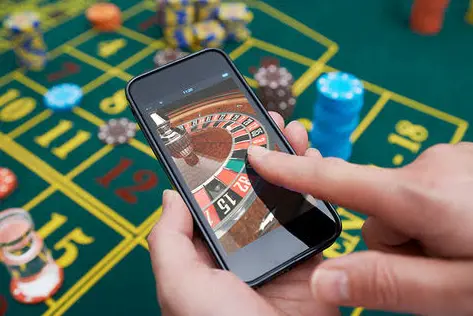
The emergence of cashless wagering systems and digital wallets has revolutionized traditional gratuity mechanisms, introducing electronic tipping platforms that track dealer performance and distribute rewards algorithmically. These systems eliminate the awkwardness of fumbling for chips while providing players with transparent records of their generosity. Some forward-thinking establishments now offer loyalty-point conversion options, allowing patrons to tip using accumulated player rewards—a development that has increased tipping frequency by an estimated 34% in early-adopting markets. This technological evolution ensures that Casino Social Tipping remains relevant and frictionless in an increasingly digitized gaming environment.
Building Long-Term Relationships Through Consistent Casino Social Tipping Practices
Seasoned players recognize that consistent, thoughtful tipping cultivates enduring relationships with casino personnel that transcend individual visits. Dealers remember generous patrons, often alerting them to upcoming promotions, reserved tables, or exclusive events unavailable to the general public. This relational capital accumulates over time, transforming casual visitors into recognized regulars who receive personalized treatment. The most successful casino enthusiasts approach tipping not as an expense but as an investment in their long-term entertainment value and social capital within the gaming community. 🎲