How Do Casino Cocktail Bars Stand Out?
In the hyper-competitive landscape of global hospitality and gaming, the casino cocktail bar 🍸 serves as a critical touchpoint for patron retention and average daily theoretical win (ADT) maximization. Unlike standalone mixology venues, these establishments operate at the intersection of high-stakes gaming volatility and luxury service delivery. The differentiation strategy is not merely about pouring premium spirits; it is a complex operational discipline rooted in sensory branding, floor layout optimization, and comps integration mechanics.
The Architecture of Sensory Overload and Gaming Floor Adjacency
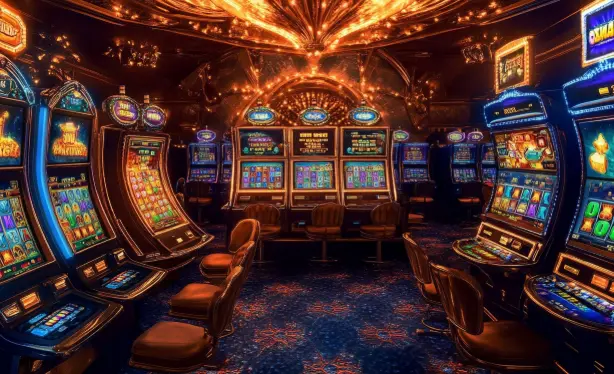
To truly stand out, a casino cocktail bar must master the art of the "gaming halo." This refers to the strategic placement of the bar in relation to the slot machines and table games pits. The physical design must facilitate seamless beverage service without interrupting the player's immersion. Experts in casino operations leverage advanced floor traffic analytics to position service wells and bar counters. The acoustic environment is equally critical; the audio profile must mask the chaotic ambient noise of the casino floor while maintaining a curated musical vibe that encourages lingering. The use of high-top seating versus plush lounge chairs is a deliberate choice to either expedite turnover or foster deep-stay play. 🎲
Mixology as a Revenue Driver and Comp Currency
The modern casino cocktail bar has evolved into a profit center rather than a cost center. Beverage directors are now implementing dynamic pricing models and rare spirit allocations to attract high-net-worth individuals. The concept of the "loss leader" is inverted here; a signature cocktail featuring a rare Japanese whisky or vintage cognac becomes a status symbol for the player. The comp drink policy must be algorithmically balanced against the player's coin-in. A cocktail bar that fails to integrate its POS system with the player tracking system is leaving money on the felt. The true standout venues utilize RFID-enabled garnishes and smart glassware to track consumption speed and pour cost in real-time, ensuring that the flair of the bartender never compromises the integrity of the house edge.
Service Rituals and the Psychology of Indulgence
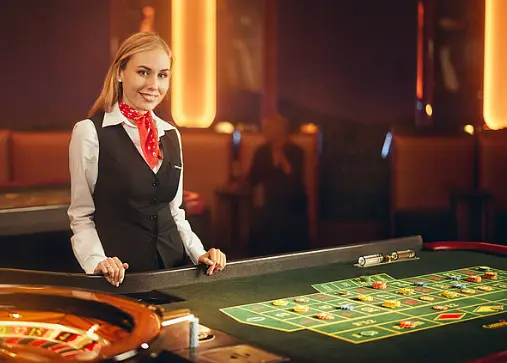
Differentiation in this sector is often found in the intangible realm of service ritual. It is not enough to serve a drink; the presentation must be theatrical. From the use of liquid nitrogen for instant macerations to the tableside smoking of a Manhattan under a glass cloche, these rituals trigger dopamine responses that are chemically similar to the anticipation of a slot pull. The bartender transforms into a performer, a hybrid of a croupier and a sommelier. Training programs for casino bartenders now include modules on responsible gaming observation and discreet dispute resolution. The most successful venues understand that the cocktail bar is the "living room" of the casino floor — a place where the tension of high-stakes wagering is tempered by the soothing, albeit expensive, embrace of crafted spirits. 🥃
Data-Driven Personalization and VIP Host Integration
Standing out requires a marriage of old-school hospitality with new-school data mining. The cocktail bar is the primary intelligence-gathering hub for VIP hosts. The preferences logged at the bar — whether a guest prefers a specific brand of gin or a particular type of glass — feed directly into the CRM. This data allows for hyper-personalized offers sent directly to the player's mobile device while they are still seated at a slot machine. The standout cocktail bars are those that use predictive analytics to stock inventory. If the data shows a high concentration of players from a specific demographic, the menu adapts. This agility transforms the bar from a static amenity into a dynamic, revenue-generating ecosystem that directly influences player loyalty and trip frequency.
Regulatory Nuances and Global Market Adaptation
Navigating the global landscape requires a deep understanding of local liquor laws and gaming commission regulations. A cocktail bar in Macau operates under a different set of compliance frameworks than one in Las Vegas or Monaco. The standout venues employ legal experts to ensure that promotional giveaways and happy hour pricing do not violate local anti-money laundering (AML) statutes or liquor licensing hours. Furthermore, the integration of cashless wagering technology into the bar environment requires robust cybersecurity protocols. The future of the casino cocktail bar lies in its ability to operate as a frictionless, secure, and endlessly entertaining node within the larger gaming network, ensuring that the guest never has to choose between the thrill of the bet and the luxury of the sip. 🎰